
What This Machine Does
A cylinder of product in, a cylinder of product out.
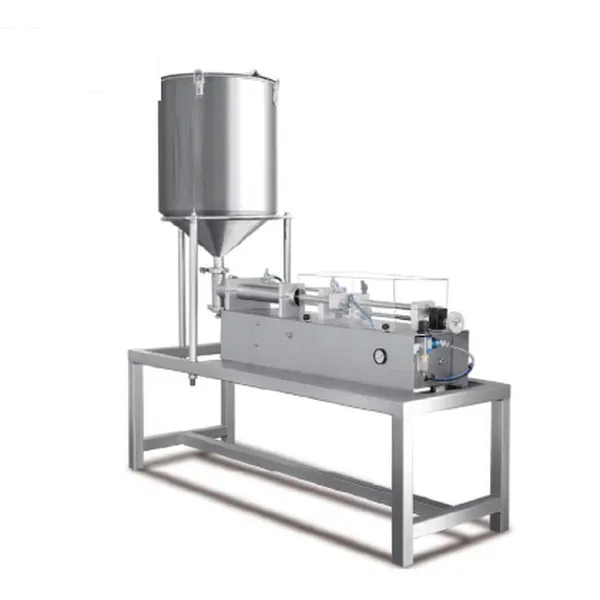
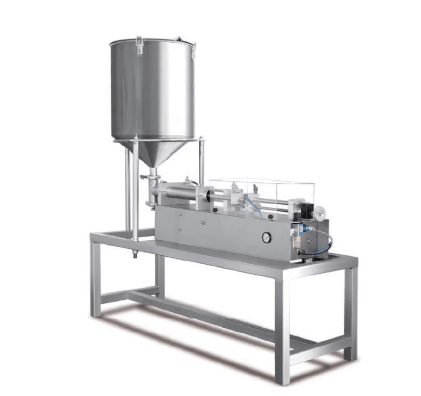
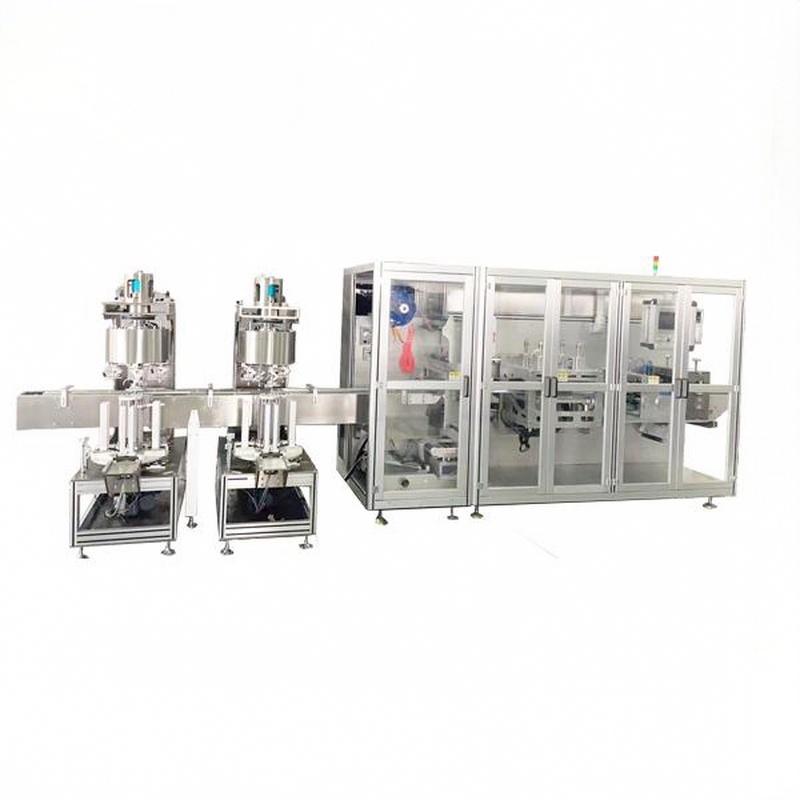
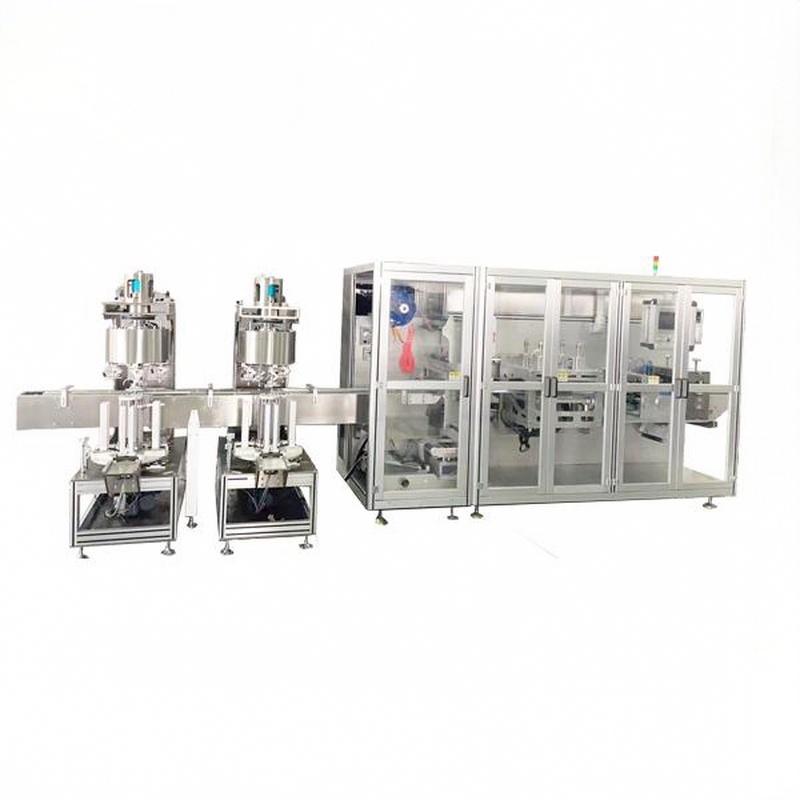
The piston filler meters liquids and semi-liquids by stroke volume — what the cylinder draws is what the nozzle delivers, so viscosity swings and level changes do not move the dose. Three frame sizes cover 30 ml single-serves to 5 L containers, with a no-drip nozzle on every build.
Best-Fit Products
Where it earns its place on the line
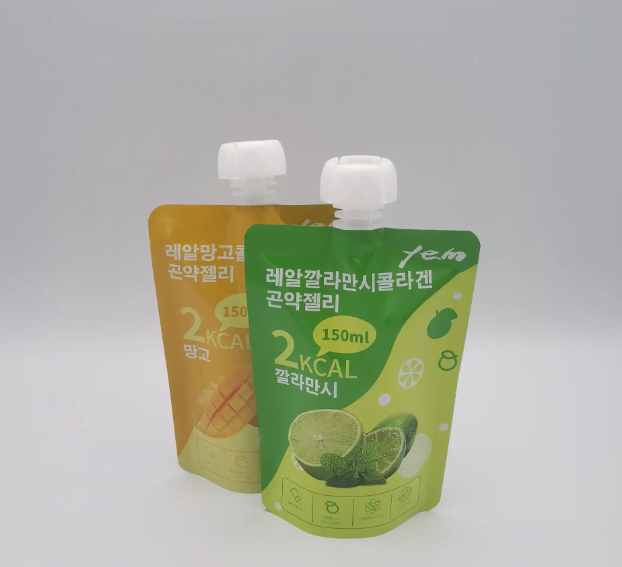
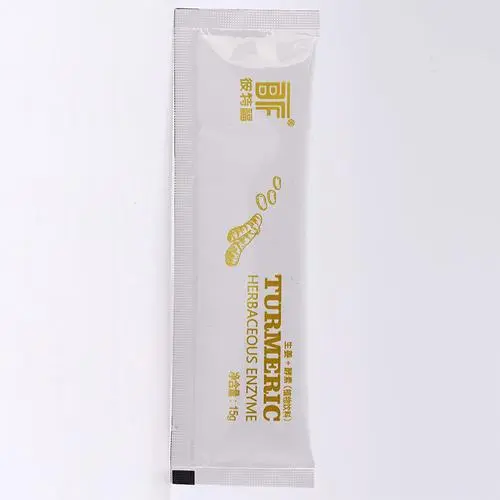
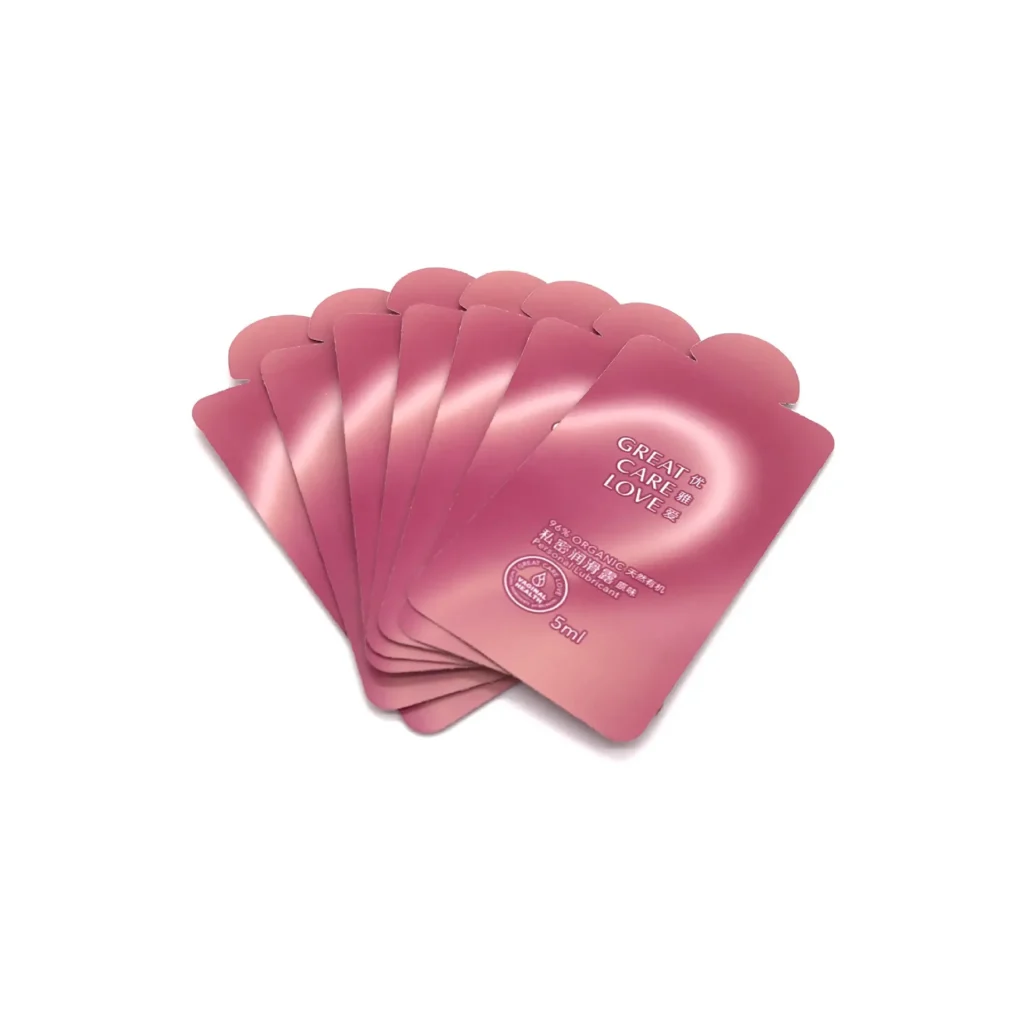
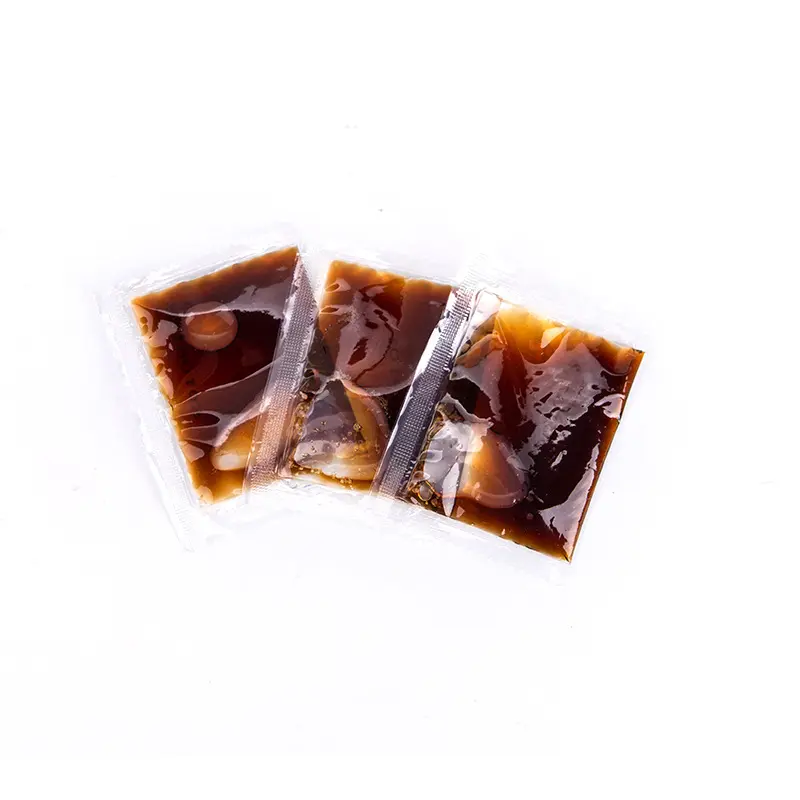
- Sauce and liquid sachet lines — the dosing principle inside our liquid four-side-seal platforms, offered standalone
- Thick and particulate products — pistons push pastes that flow-control valves smear
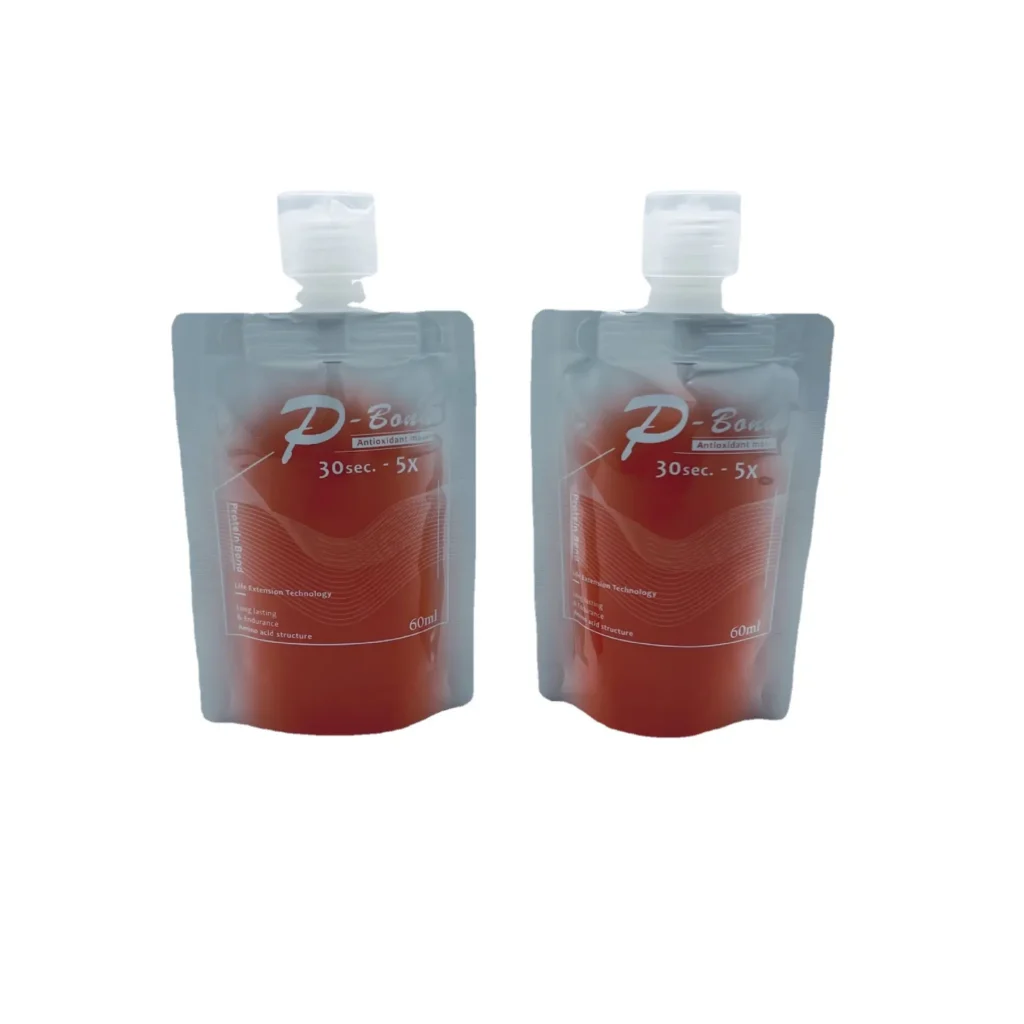
- Container filling — jars, bottles and jerrycans up to 5 L
Configurations & Options
Specified the way we ship it
- Frame sizes: three models by fill volume
- Filling volume: 30–250 ml / 50–500 ml / 100–5000 ml
- Filling speed: 10–30 / 8–25 / 6–20 containers per minute
- Accuracy: ±1%
- Nozzle: no-drip filling nozzle
- Drive: compressed air, Airtac pneumatic components
Is this the right machine for you?
Four honest questions before you buy
- Is your product thick, stringy or particulate? A piston pushes what a timed-flow valve cannot.
- What container volumes do you fill? The three frames bracket 30 ml to 5 L.
- Is drip contaminating the seal area? The no-drip nozzle is the fix that keeps seals weldable.
- Do you have compressed air on site? This is a pneumatic machine — that is its whole utility bill.
FAQ
The things buyers actually ask.
What liquids suit piston filling?
Everything from water-thin to paste: sauces, honey, detergents, cosmetics — the stroke volume does not care about viscosity.
Why piston over flow metering?
Stroke volume is immune to viscosity and temperature drift; flow-metered systems chase calibration as the product changes.
How accurate is it?
±1% of target volume, held across the speed range.
What does it need to run?
Compressed air — Airtac pneumatics throughout, no heavy electrical drive train.
 English
 Spanish
 French
 German
 Korean
 Russian
 Italian
 Arabic