Bag Sleeving Machine
A bag sleeving machine pushes a filled pouch or bag into a pre-glued printed sleeve, producing a retail-ready multipack with printed front and back. Path Pack builds the JCS130 standard sleever and the JCJ130 compact sleever for smaller footprints.
What bag sleeving adds to a pouch line
A premade pouch protects the product but prints poorly on its gussets and often arrives on shelf as a soft, shapeless bag. A printed sleeve fixes both: the pouch slides into a pre-folded, pre-glued sleeve that carries the retail artwork, and the result stands straight in the shelf channel.
Sleeving is the standard upgrade for coffee bags, snack multipacks, pet food pouches and non-food products that sell through retail and need consistent facing.
JCS130 and JCJ130
The JCS130 standard bag sleeving machine handles typical retail pouch formats. The JCJ130 compact version targets lines with limited floor space or lower output targets, keeping the same sleeve-insert principle in a smaller frame.
Both machines follow our PP premade-pouch machines and JC four-side-seal sachet lines downstream — the complete end-of-line picture is on the End-of-Line Packaging Machines page.
Bag Sleeving Machines from Path Pack
Current models, formats and speeds — every card links to the full machine page.
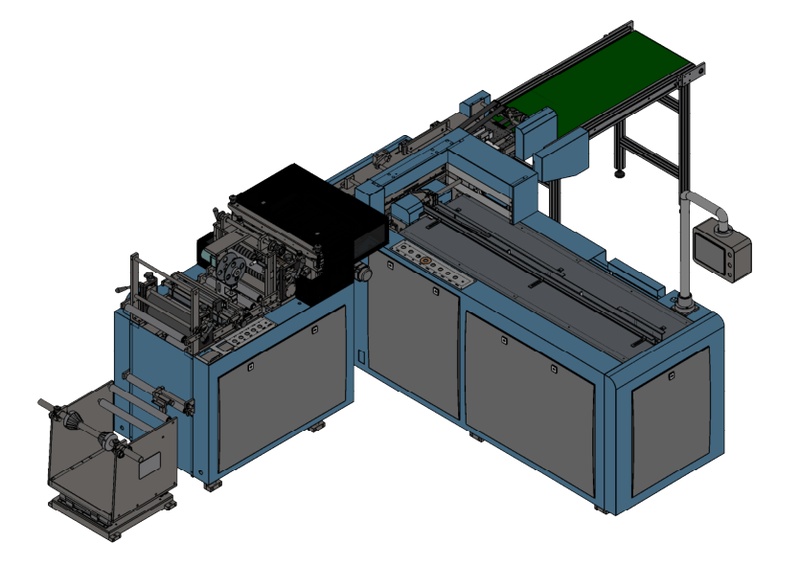
JCS130 Standard Bag Sleeving Machine
- Inserts filled bags into printed sleeves for retail multipacks
- Standard format range for typical pouch sizes
- Full parameters on the machine page
The JCJ130 compact bag sleever covers the same task where floor space is tight. For fully printed carton presentation instead of a sleeve, the JC130 and JCH200 cartoners are the heavier alternative.
How to choose
- Pouch dimensions — sleeve tooling is sized to your exact bag width and thickness; measure the filled bag, not the empty pouch.
- Output match — the sleever must keep pace with the pouch machine feeding it.
- Sleeve style — pre-glued sleeves run simplest; confirm the glue pattern with your sleeve printer.
- Floor space — compact JCJ130 vs standard JCS130 is usually a space decision, not a format decision.
- Retail requirement — if the pack must stand upright on shelf, test the sleeved bag stability with real product weight.
Frequently asked questions
What is the difference between bag sleeving and cartoning?
A sleeve is a printed band around a bag — lighter, cheaper, keeps the pouch visible. A carton fully encloses the product — rigid, more protective, more expensive. Sleeving suits multipacks; cartoning suits blisters and premium retail boxes.
Can a bag sleeving machine handle zipper pouches?
Yes, as long as the filled bag profile is consistent. Zipper tops add thickness at the top edge, so sleeve height needs margin above the zipper.
How much does a bag sleeving machine cost?
Sleevers sit below cartoners in price. Final cost depends on format range and speed — send your bag dimensions and hourly target for a written quotation.
What is the difference between a bag sleeving machine and a cardboard sleeving machine?
A cardboard sleever wraps a printed board sleeve around a product. A bag sleeving machine works the other direction — it slides a filled, flexible bag into a pre-glued printed sleeve. Same shelf result, different mechanics, and ours is built for bags.
Where does sleeving sit in the packaging line?
Directly after the pouch machine: fill and seal the bag, sleeve it, then case pack. The sleever must match the pouch machine’s output — that is the sizing rule we quote against.