
Flow Wrapping Machines (HFFS)
Horizontal flow wrapping machines (HFFS) — also known as flow wrappers or horizontal flow wrappers — that form the pack around your product from a single roll of film — sealed pillow packs at production speed, with no pre-made bags to buy, store or load.
What is flow wrapping?
A flow wrapper feeds a flat roll of film, forms it into a tube around the product, seals the tube along its length, then closes and cuts the ends — a finished pillow pack, wrapped and sealed in one continuous motion.
Because the film forms around the product, flow wrapping suits items with a stable shape: bakery items, bars, biscuits, cartons, trays and bundles. The pack follows the product rather than the other way round — that is the practical difference against pre-made pouch packing, where the product is filled into a bag that already exists.
Sealing is heat-based and adjustable to the film structure, so pack integrity holds across the standard laminate range, and film registration keeps printed film aligned cut to cut.
Path Pack flow wrappers
Flow wrapping machines built and supported by one engineering team — pillow-pack lines with integrated filling for liquids, slurries and powders. Card specs open on each machine page.
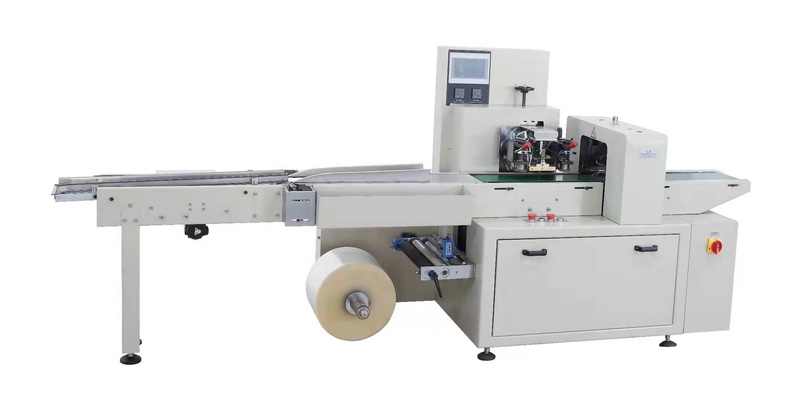
JC250 Flow Wrapping Machine
Production Rate: 35-150 packs/min (product-dependent)
Pack Size Range: Product width 30-100 mm, length 85-300 mm, height 5-30 mm
Pack Style: Back-seal pillow packs formed from roll film
Cutter: Single sealing jaw
Film Width: 90-240 mm
Packaging Films: OPP, PE, PVC, OPP/CPP, PT/PE, KOP/CPP and similar heat-sealable laminates
Drive: 3 servo motors with planetary gears
Bag Form Qualified Rate: ≥97%
Sealing Pressure: 15 N/mm²
Control Set: In-house-designed PLC; MCGS touchscreen; RiDing servo motors
Machine Noise: ≤78 dB
Total Power: 3.0 kW, 220 V / 50 Hz
Machine Weight: 600 kg
Dimensions (L×W×H): 4000 × 920 × 1500 mm
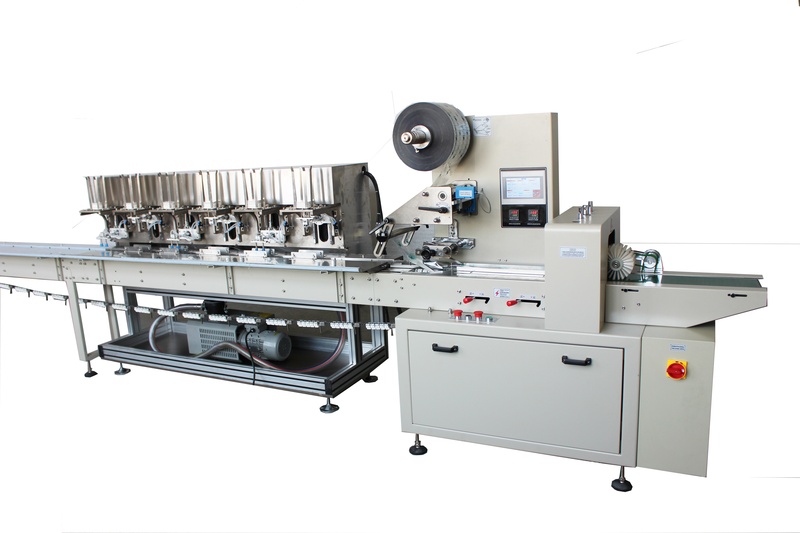
JC420 Flow Wrapping Machine
Production Rate: 35-150 packs/min (product-dependent)
Pack Size Range: Product width 30-180 mm, length 115-350 mm, height 5-45 mm
Pack Style: Back-seal pillow packs formed from roll film
Cutter: Single sealing jaw
Film Width: 90-430 mm
Packaging Films: OPP, PE, PVC, OPP/CPP, PT/PE, KOP/CPP and similar heat-sealable laminates
Drive: 3 servo motors with planetary gears
Bag Form Qualified Rate: ≥97%
Sealing Pressure: 15 N/mm²
Control Set: In-house-designed PLC; MCGS touchscreen; RiDing servo motors
Machine Noise: ≤78 dB
Total Power: 3.0 kW, 220 V / 50 Hz
Machine Weight: 800 kg
Dimensions (L×W×H): 4220 × 950 × 1600 mm
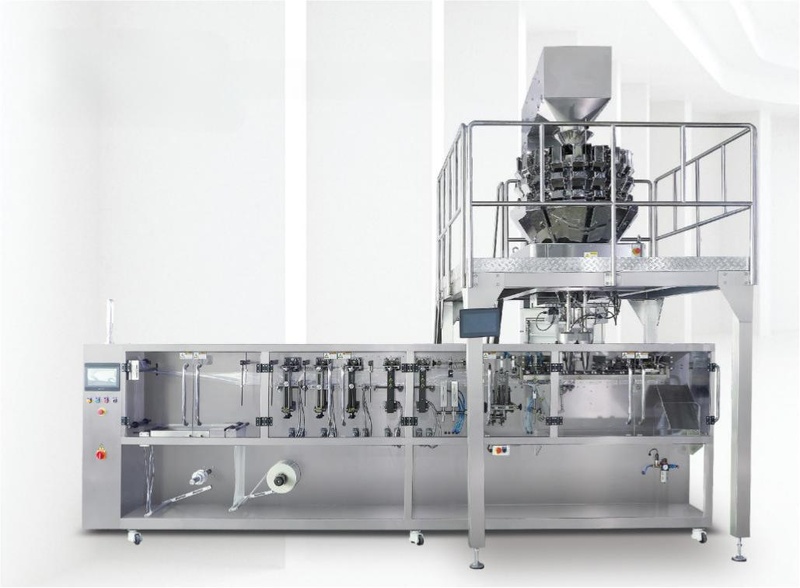
PP180R Flow Wrapping Machine
Production Rate: 4,800 packs/hour (80 packs/min); actual speed depends on product and fill weight
Applicable Materials: Liquids, slurries, powders and similar products
Packaging Films: PE, PP, CPP, OPP, PET, PA (NY), VMPET, VMCPP foil laminates and aluminum-foil paper bags
Pack Size Range: Width 60-90 mm, height 80-150 mm
Max. Filling Volume: 100 ml (depends on product type)
Filling Accuracy: ±1.5%
Filling Stations: 2
Pack Style: Pillow packs (back seal) formed from roll film
Air Consumption: 0.6 m³/min
Air Pressure: 0.6 MPa
Total Power: 10 kW, 380 V / 50 Hz
Machine Weight: 2,000 kg
Dimensions (L×W×H): 4500 × 970 × 1500 mm
Frame Material: 304 stainless steel covers; carbon-steel body with spray coating
Core Components: Mitsubishi PLC; Weintek touchscreen HMI; Siemens low-voltage electrics; relays by Siemens or Schneider; Italian photo-eye registration
Flow wrap or pre-made pouch?
If your product needs stand-up shelf presence, a reclosable opening or a spout, a pouch packing machine is the better fit. If it is a stable single item at high count, flow wrapping keeps the packaging cost per unit down.
Frequently Asked Questions
How much does a flow wrapping machine cost?
Film width, speed tier and infeed complexity set the price; the same platform serves entry lines and high-output plants at different configurations. Send your product dimensions and target output and we quote in writing.
What is the difference between a flow wrapper and a VFFS machine?
A horizontal flow wrapper wraps along the length of a product — bars, stacks, boxes. A vertical form-fill-seal machine forms a bag around product dropped from above, the format for chips and granules. We build horizontal wrappers; the product decides which machine class fits.
Which products suit horizontal flow wrapping?
Rigid items that hold their shape on a conveyor: biscuits and stacks, chocolate and snack bars, soap, cartons and multipacks. Loose or granular products belong on sachet and pouch platforms instead.
Can a flow wrapper handle printed film?
Yes — print registration with a photo-eye is standard, keeping artwork locked to the pack face on every wrap. Registered print is the norm for retail formats.
 English
  Spanish
  French
  German
  Korean
  Russian
  Italian
  Arabic