What This Machine Does
One lane, full servo, and a feeder built around your patch.
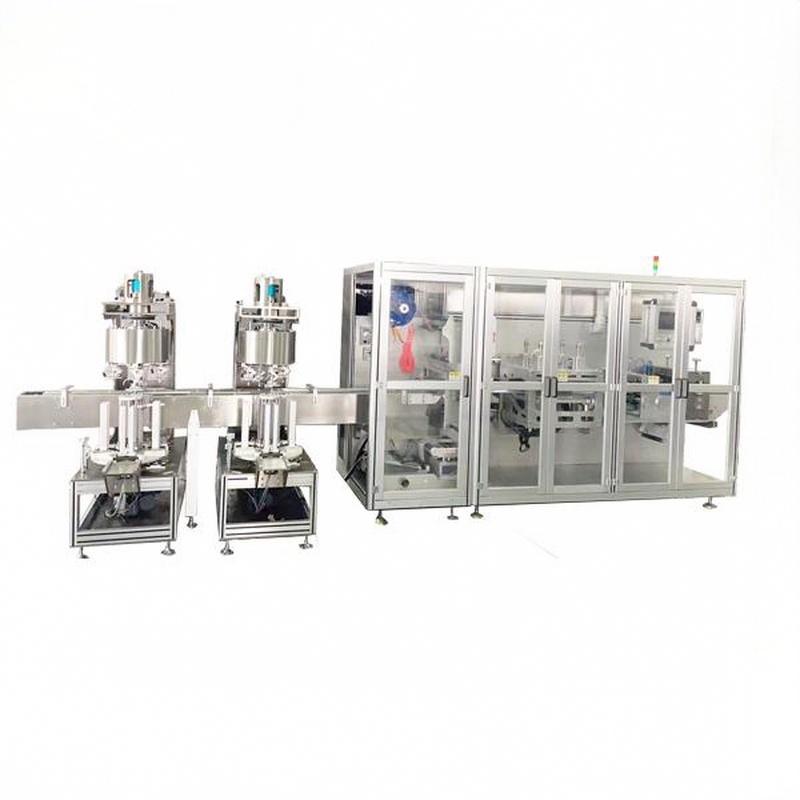
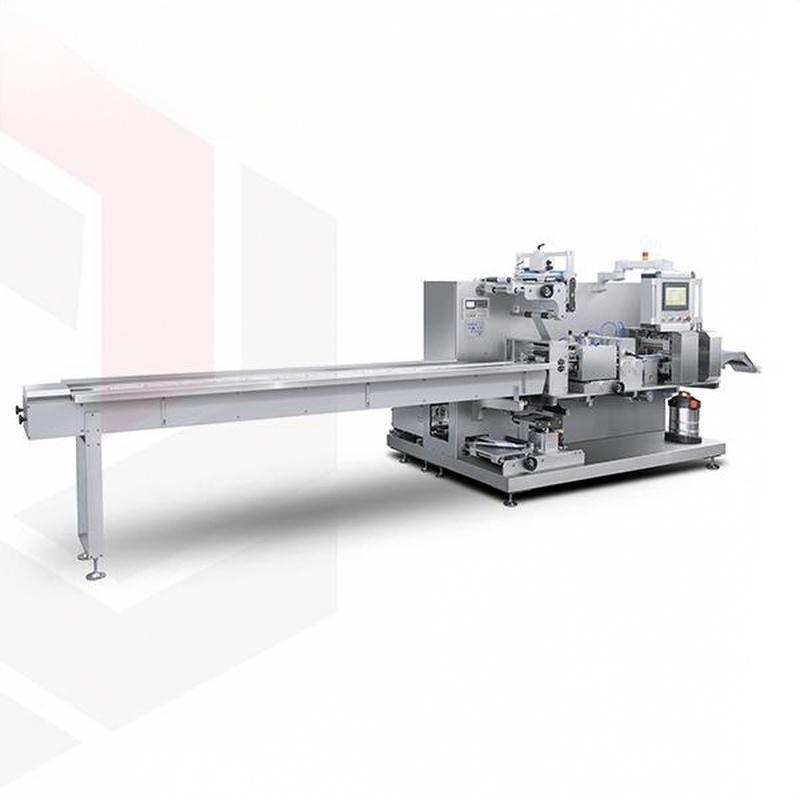
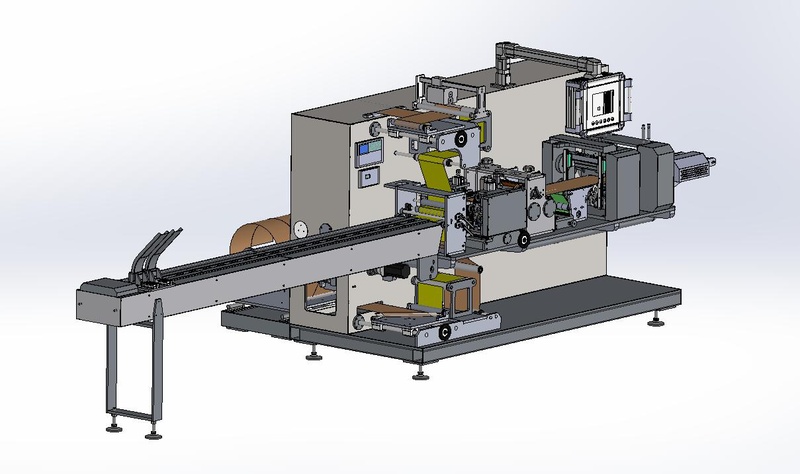
The JC400 is the single-lane four-side-seal machine of the JC line, made for flat products up to 10 mm thick. It seals on all four sides from a single web, prints the pack inline and kicks out bad packs on optical fiber detection — 80 to 180 packs a minute, with the pushing feeder custom-built to your product before the machine ships.
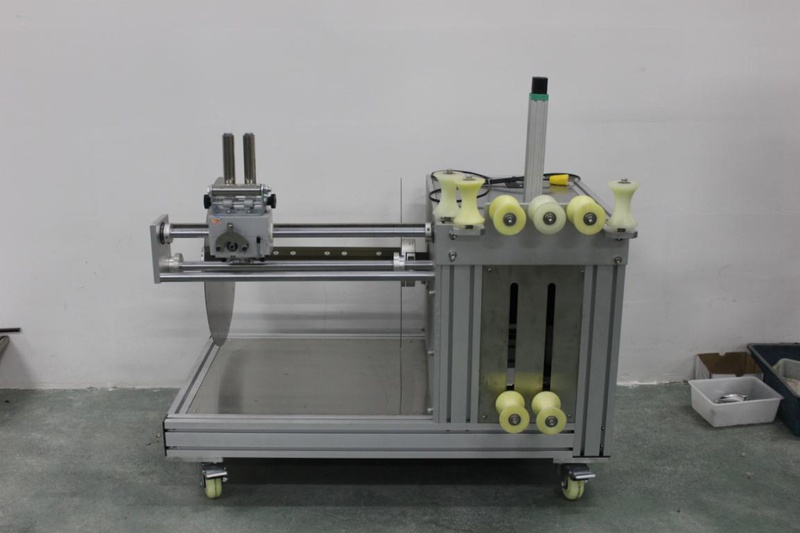
The trade-off: hand-loading versus automatic feeding. The two-station pushing feeder is loaded by an operator and built to order around your patch — which is why it handles delicate, sticky and one-off formats without product damage. It also means a pair of hands per shift. When the product is a rotary-friendly soft gel and the volume justifies it, the JC800Z’s magazine-fed rotary feeders take the labor out; for everything else flat, this is the machine.
Best-Fit Products
Runs these well — and what each one needs
- Transdermal, hydrogel and hydrocolloid patches → flat sealing that does not squeeze the gel
- Medical gauze, bandages and dressings → clean four-side seals in laminate
- Test cassettes and strips → fiber-optic checked, kicker-rejected, no empty packs shipped
- Acne, beauty, fever, microneedle and TCM patches → the defining use of this format
- Teeth-whitening strips, laundry sheets, eye and nose pads → thin consumables at 80-180 packs/min
- Cards, stickers, shallow trays → anything flat and ≤10 mm that needs a sealed sachet
Not sure what these pouch styles look like? Our pouch types guide shows a labeled diagram of each bag style.
Configurations & Options
Tooled to the product at order time
- Feeder: custom-made 2-station pushing feeder, hand-loaded, designed around your patch
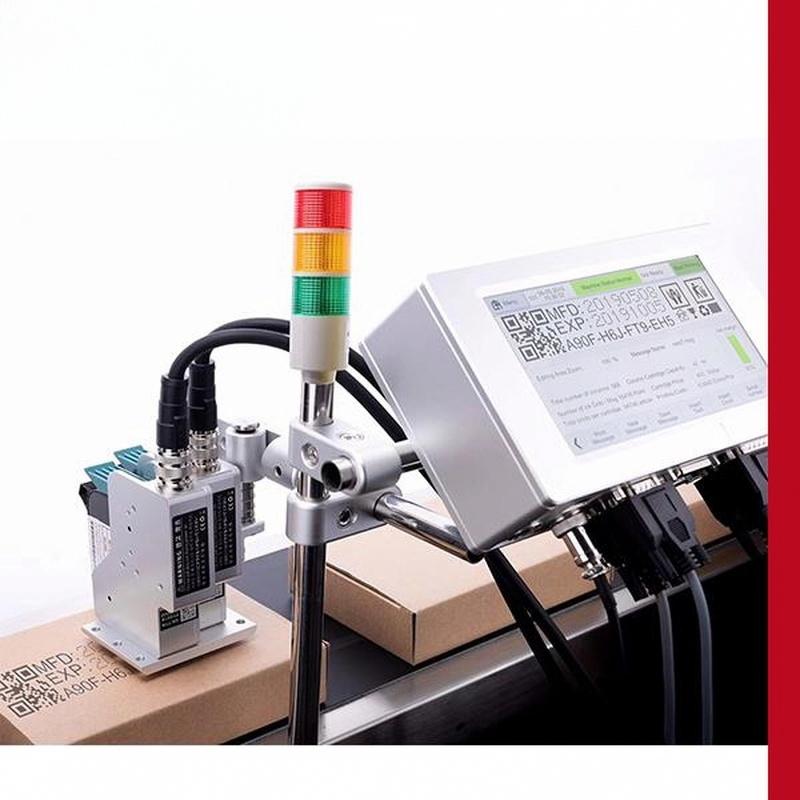
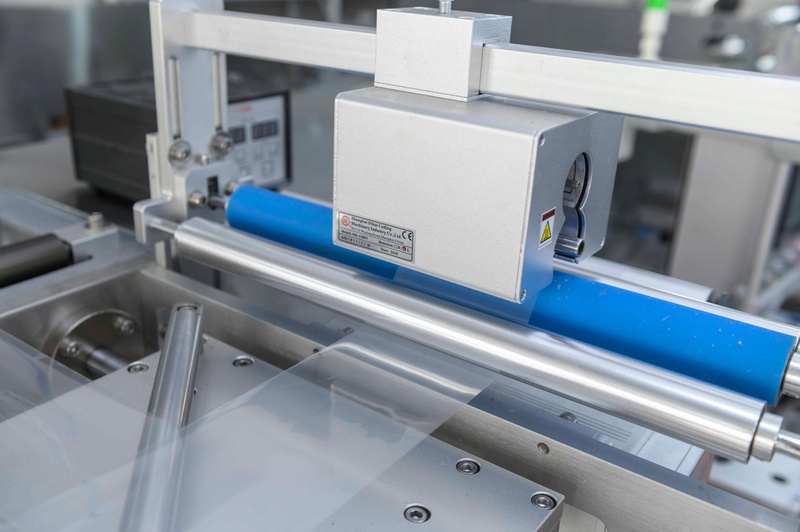
- Printing: ink-wheel printer standard; upgrade to ink-jet for 20 languages, dates, QR and barcodes and logo marks at up to 406 m/min
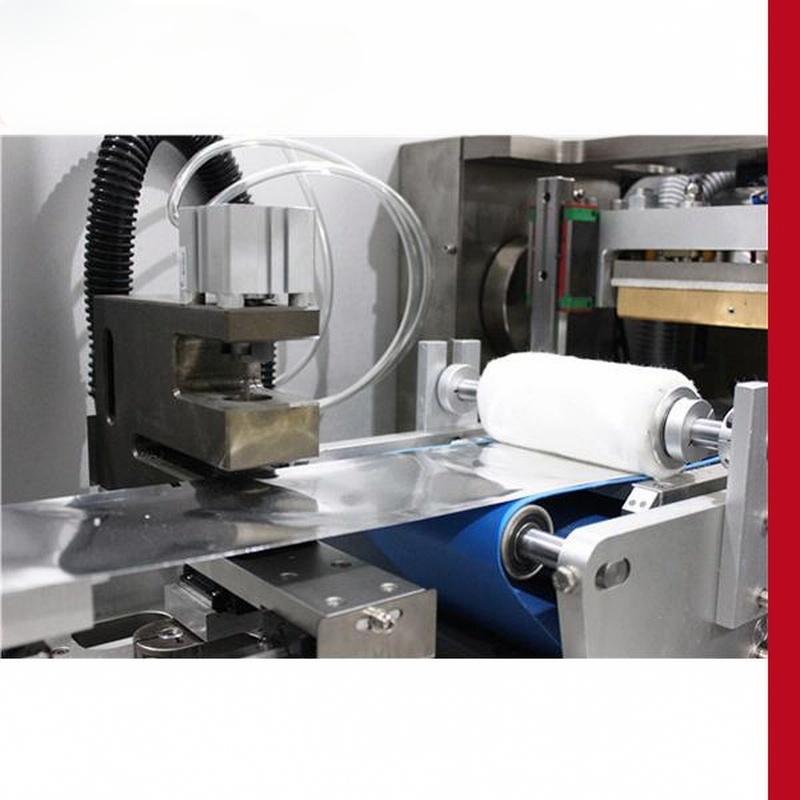
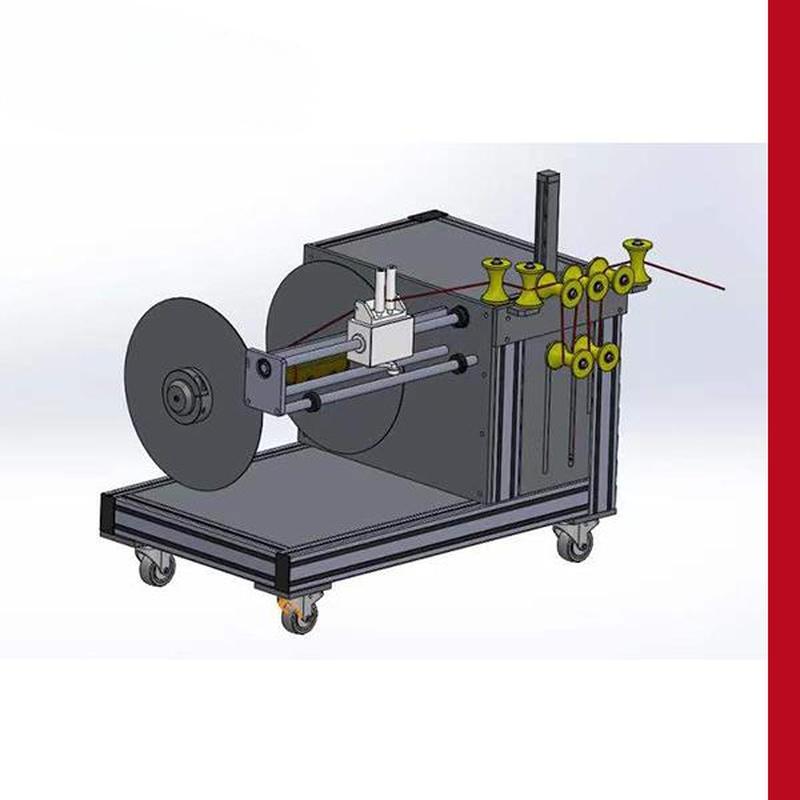
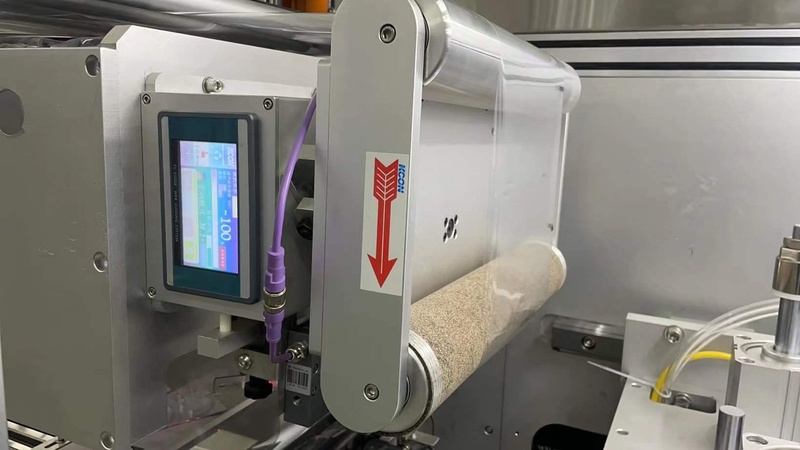
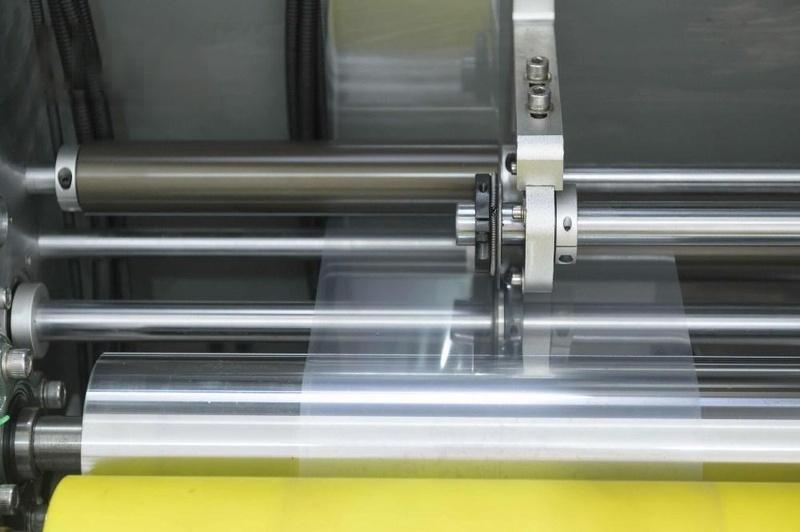
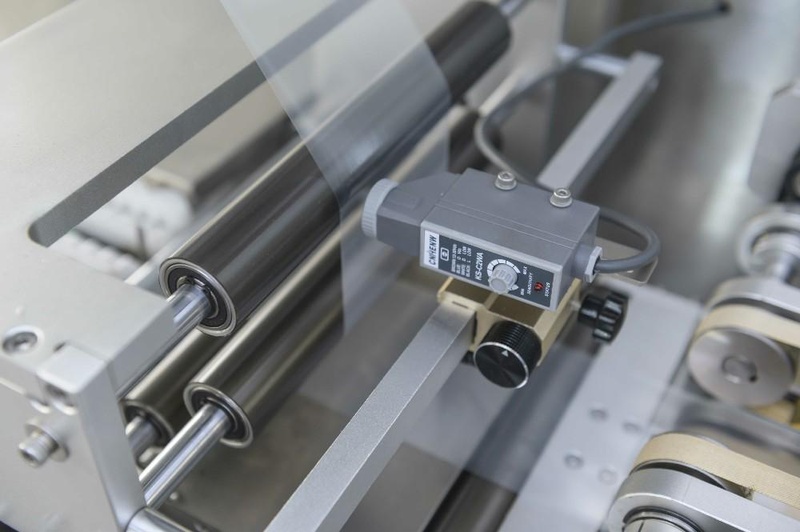
- Film handling: auto tension control, two servo film-direction correction devices and a master correction sensor on the back film frame
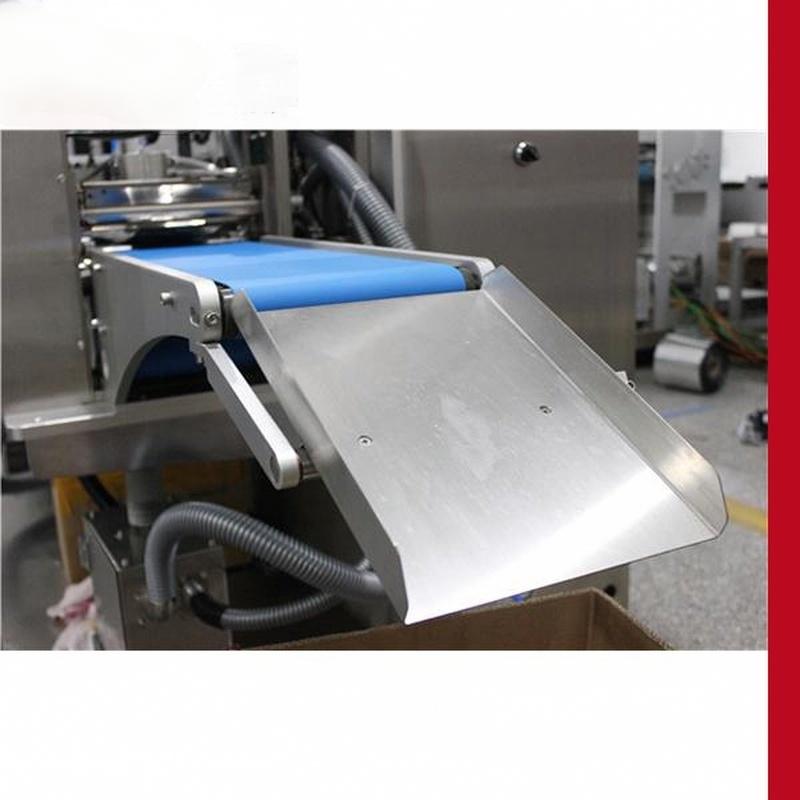
- Quality control: optical fiber detection with a kick-out station for empty or misplaced packs
- Sealing set: custom sealing bar, press device and film roll frames made to order
- Electrics: Panasonic PLC, MCGS or YiFan touchscreen, Inovance servos, AirTAC/SMC valves, Panasonic photoelectronics
Is this the right machine for you?
Four honest questions before you buy
- Is your product flat — 10 mm thick or less? That is the hard ceiling of this machine, by design.
- Does the pack fall inside 100-280 mm long and 85-160 mm wide from a 400 mm web?
- Do you want coding on every pack? The ink-wheel printer is standard; batch and QR work moves to the ink-jet option.
- Can your plant supply 10 kW at 380 V three-phase for a 2,000 kg machine?
FAQ
The things buyers actually ask.
How flat is flat?
10 mm of product height, maximum — patches, strips, gauze, cards. Thicker products are not a parameter tweak; they are a different machine.
Why is the feeder hand-loaded?
Because it is custom-built to the product. A pushing feeder tailored to your patch handles sticky gels and one-off formats that jam automatic feeders. When volume justifies automation, that is the JC800Z conversation.
What printing does it do out of the box?
An ink-wheel printer ships standard. The ink-jet option adds 20 languages, dates, QR and barcodes and logo marks at up to 406 m/min.
What films does it seal?
ET+OPP, BOPP, CPP, PET+AL and other single- or double-layer heat-sealable laminates — the standard patch-sachet families.