What This Machine Does
Ten servos, a reclosable zipper on the front, and gel patches fed from rotary magazines.
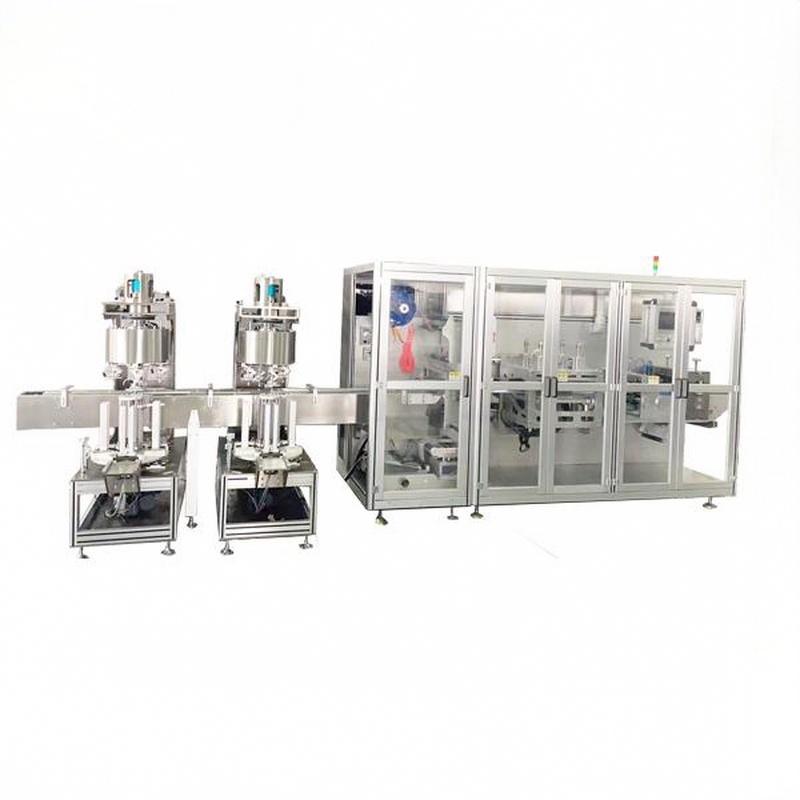
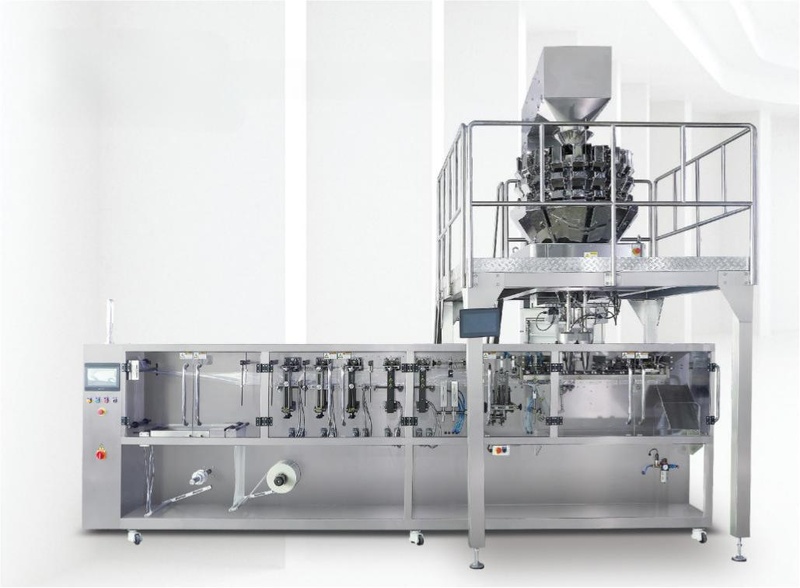
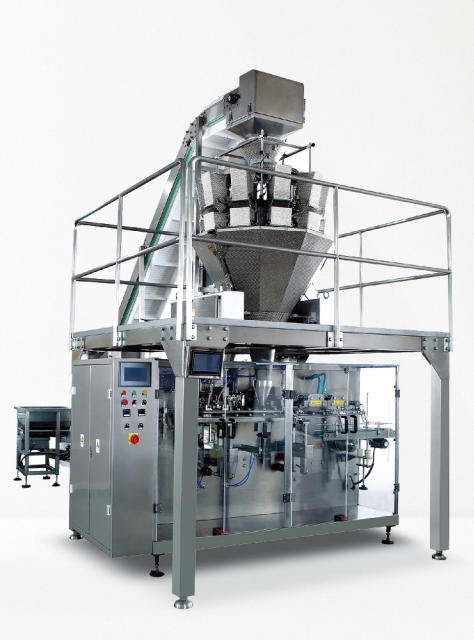
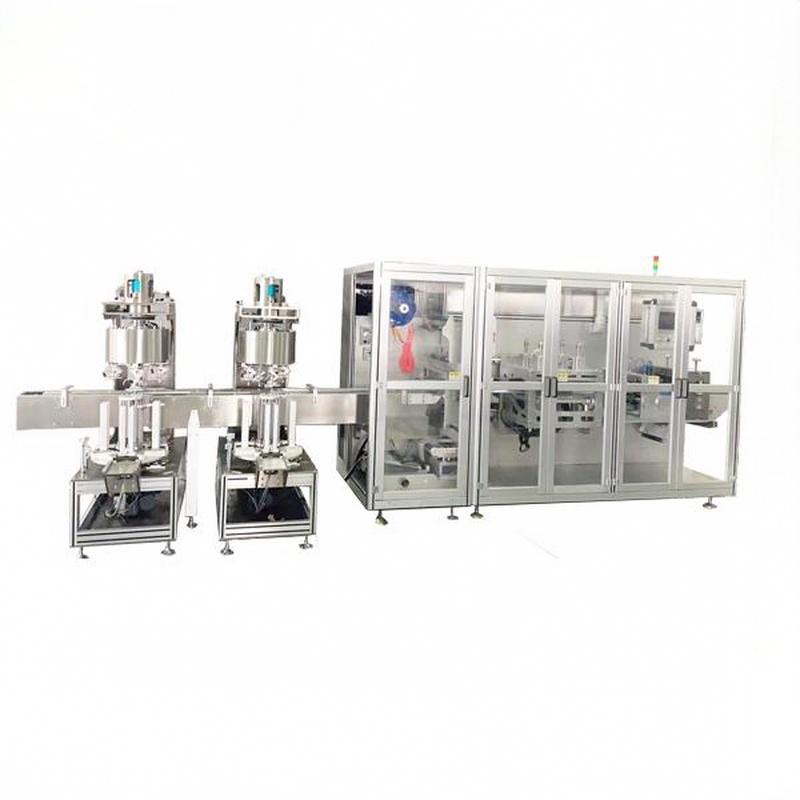
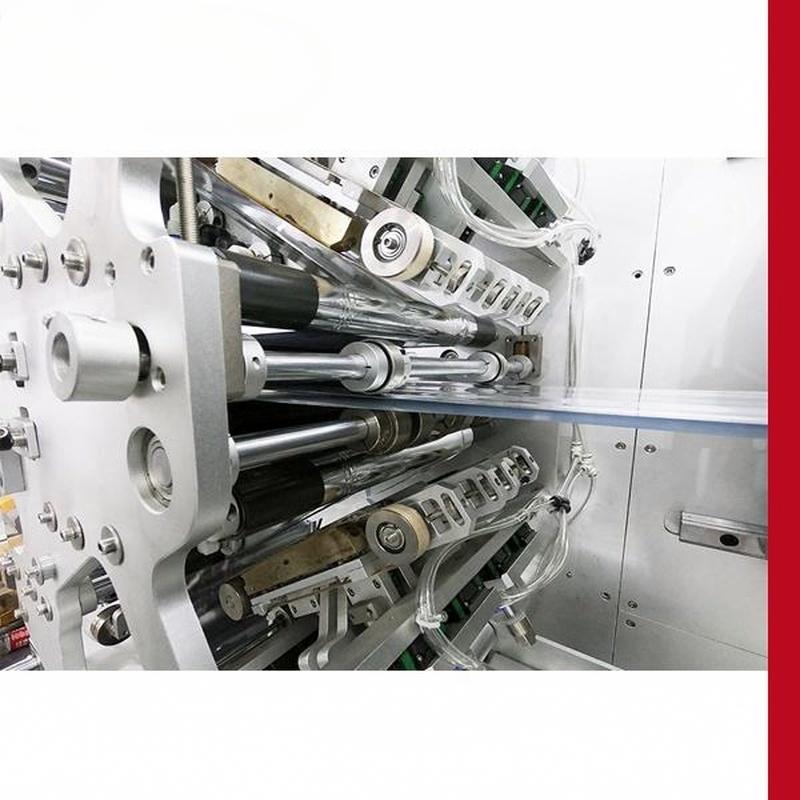
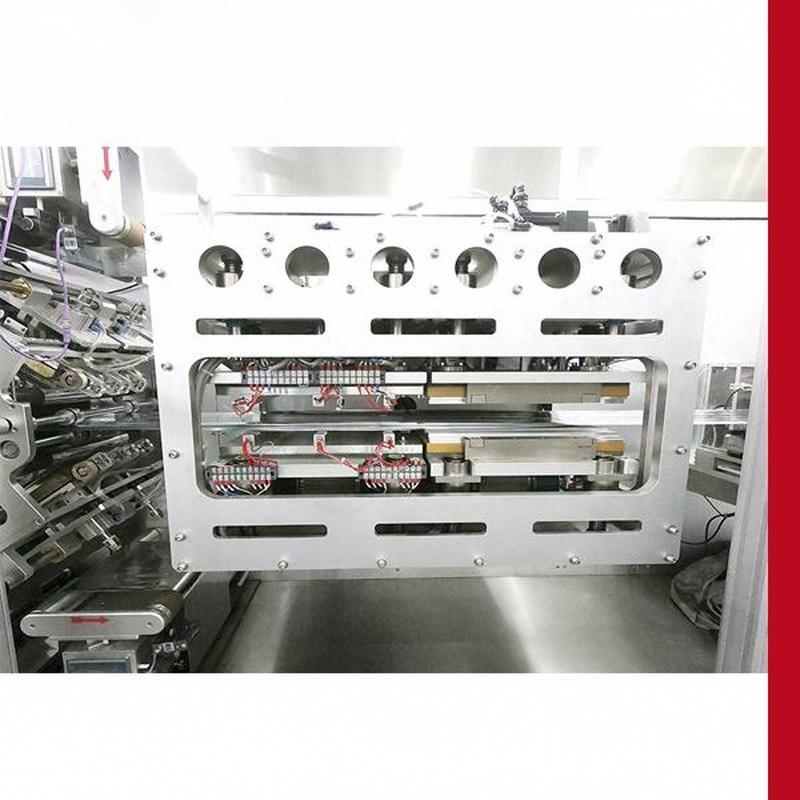
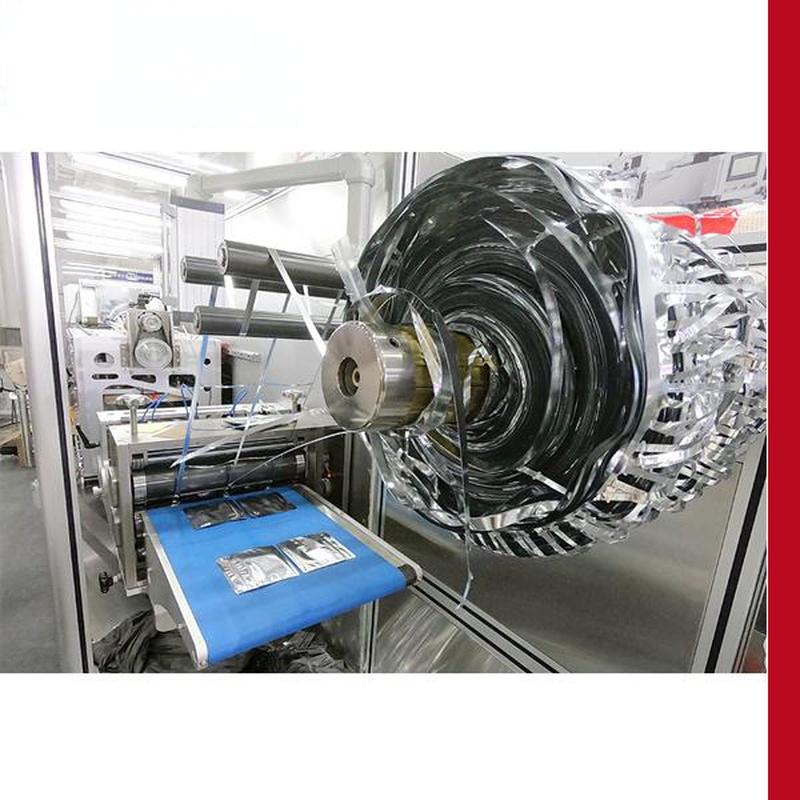
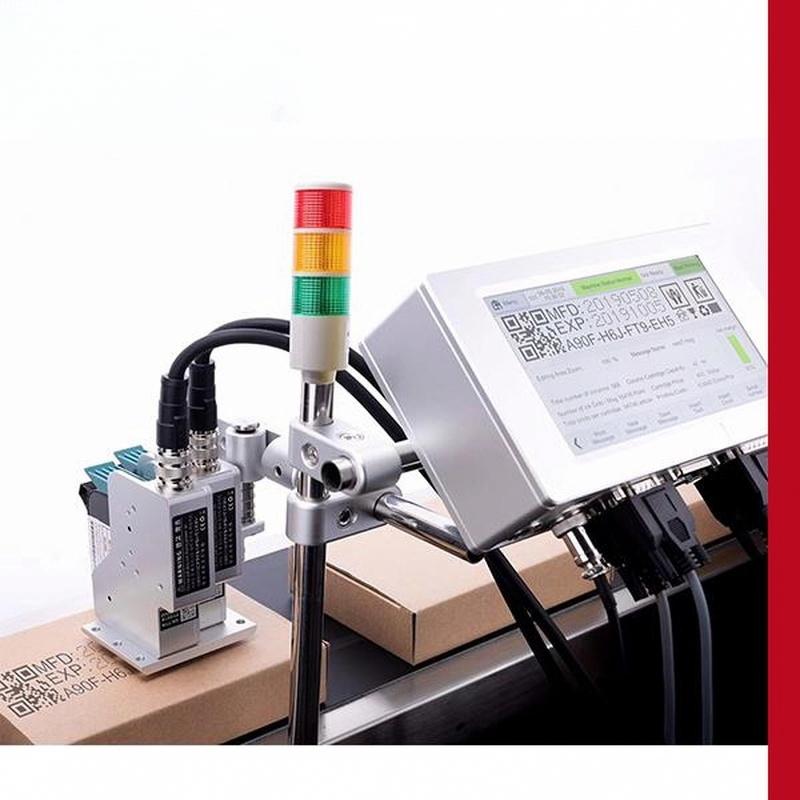
The JC800Z is the flagship four-side-seal machine of the JC line, built for premium patch products: soft gels and transdermals loaded from two rotary feeders with magazines, sealed on all four sides with a double-side heated zipper, printed by twin coders and trimmed by round-corner and easy-tear cutters — 50 to 180 packs a minute, with waste film wound automatically.
The trade-off: reclosability versus rate and film. A zipper makes the pack openable a second time and reads as retail-premium on the shelf — and it is the slowest seal on the machine. Plain four-side-seal work runs 80-180 packs/min on the JC400; zipper work here runs from 50. The zipper also consumes web width (up to 880 mm) and both seal faces must heat evenly. You pay for reclosable in speed and laminate; you get it back in shelf price position.
Best-Fit Products
Runs these well — and what each one needs
- Premium gel patches — eye, face, acne, microneedle, fever, TCM → rotary magazine feeding without marking the gel
- Multi-use transdermal and hydrocolloid products → the zipper that justifies “resealable” on the carton
- Teeth-whitening strip multi-packs → counted strips, round-corner sachets, easy-tear opening
- Private-label patch brands → twin coders print lot and date on every pack inline
- High-volume flat consumables → twin zipper lanes running one format all week
Not sure what these pouch styles look like? Our pouch types guide shows a labeled diagram of each bag style.
Configurations & Options
The fully-optioned four-side-seal line, as standard
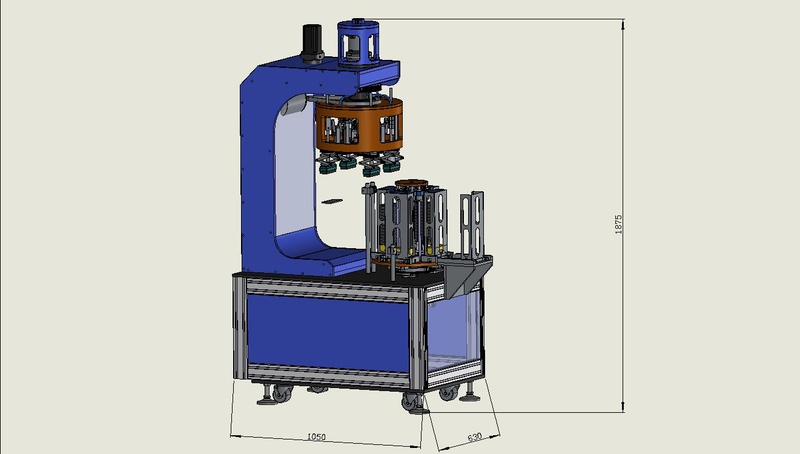
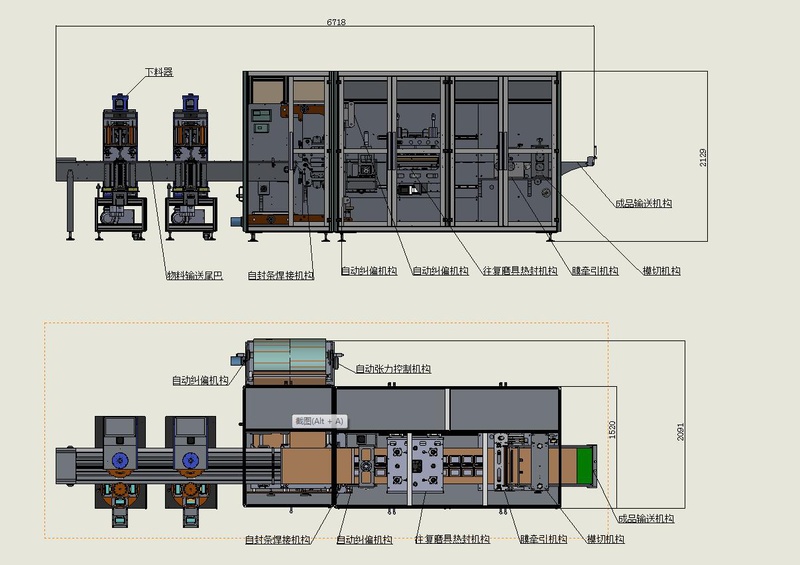
- Feeding: 2 rotary soft-gel patch feeders with loading magazines — the labor-free answer to delicate gels
- Zipper: double-side heating for a flat, even reclosable seal
- Printing: 2 ink-wheel printers; ink-jet upgrade available per coder
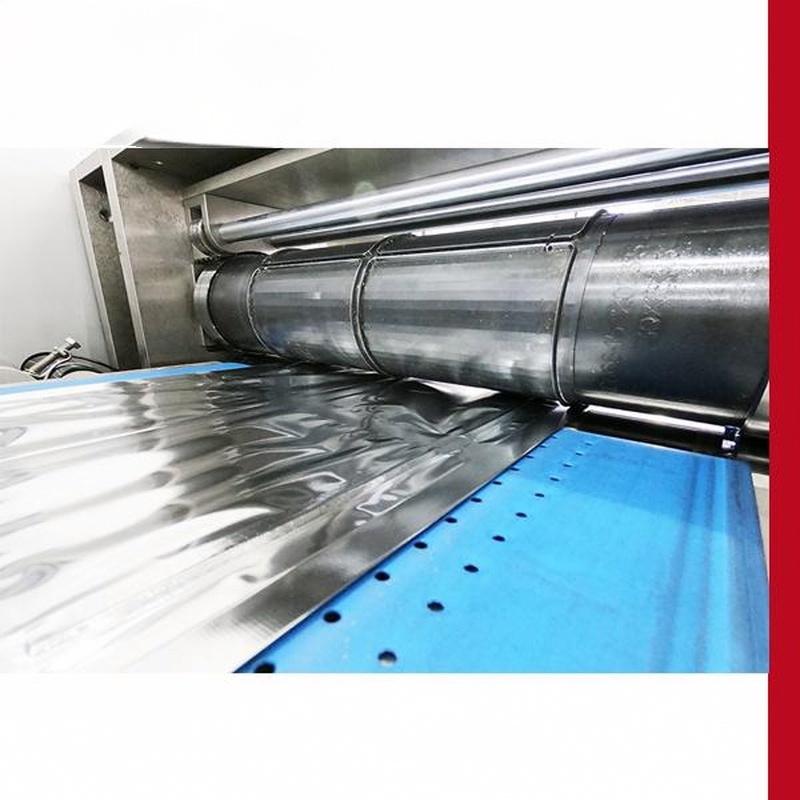
- Film handling: 2 servo correction devices, back-roll correction sensor and auto tension control across the 880 mm web
- Cutters: custom round-corner bag cutter plus custom easy-tear cutter; waste-film curling machine keeps the trim off the floor
- Lanes: the photographed build runs two lanes on 10 servos; the JC800Z is built as a dedicated two-lane zipper machine, and plain multi-lane work runs on the JC600, JC700 and JC800
- Electrics: TRIO PLC and motion controller, MCGS touchscreen, Inovance servos, Schneider switchgear, Panasonic eyemark sensing
Is this the right machine for you?
Four honest questions before you buy
- Does your product genuinely need a reclosable pack? If plain four-side-seal tells the story, the JC400 does it faster and on less film.
- Are the patches rotary-feedable — soft gels, flat pads, strips? That is what the magazines are shaped for.
- Can your plant supply 14-15 kW at 380 V three-phase and 0.3 m³/min of air for a 2,500 kg machine?
- Do your packs stay within 100-280 mm long, 220 mm wide and 8 mm product height?
FAQ
The things buyers actually ask.
Why is the zipper machine slower than the plain one?
The zipper seal has to heat two faces and close flat before the cross-seal — so zipper work starts at 50 packs/min where plain four-side-seal work starts at 80. Plan the schedule on the zipper number.
What do the rotary feeders change?
Labor and marks. Magazines are loaded in batches and the rotary picks place each patch; nobody touches the gel, and the machine does not stop for someone’s coffee break.
Can I get more lanes?
Not on this frame — the JC800Z is a dedicated two-lane zipper build. Plain multi-lane work, two to six lanes on a wider web, is the JC600, JC700 and JC800 territory. Bring the patch and the weekly number, and we point you at the right frame.
What’s on the pack as standard?
Two ink-wheel coders print lot and date inline; round-corner cutting and an easy-tear cutter are part of the standard cutter set, and a waste-film curling machine keeps the web trim wound.