Snack Packing Machine
A snack packing machine wraps or bags snack products — crackers, nuts, chips, bars and mixes. Pillow packs run on the JC250 and JC420 flow wrappers; premium stand-up snack pouches with zipper run on the PP premade-pouch series with granule dosing.
One product family, two pack styles
Snacks split into two shelf strategies. Value channels sell pillow packs — product wrapped directly from roll film at high speed on flow wrappers. Retail and premium channels sell printed stand-up pouches — resealable, full-artwork packs from the PP series.
A complete snack line often runs both: the flow wrapper for multipacks and food service, the pouch machine for the retail SKU of the same product.
Snack specifics that drive the machine spec
Fragile products — crackers and chips need gentle infeeds and sealed-pillow handling; breakage is a machine-setting problem, not a film problem.
Oily surfaces — nuts and fried snacks soil sealing jaws; tool-free jaw access and daily washdown keep the line running.
Gas flush — nitrogen flush protects fat-heavy snacks from rancidity and pads the pack.
Mixed products — trail mixes run on weigh-based dosing before the pouch machine; uniform snacks run simpler feeding.
Snack Packing Machines from Path Pack
Current models, formats and speeds — every card links to the full machine page.
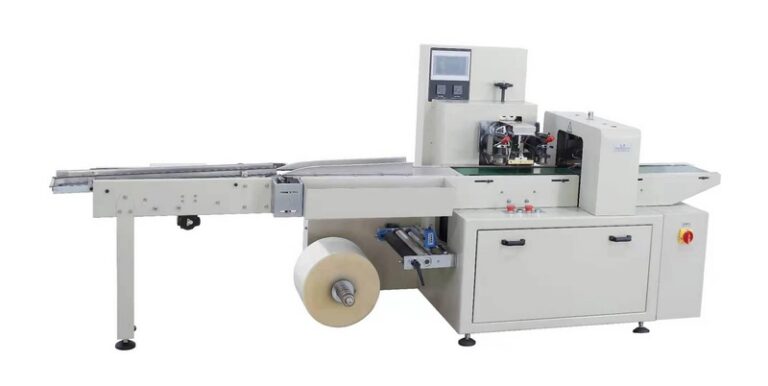
JC250 Flow Wrapping Machine
- Wraps biscuits, bread, soaps, cards and daily items
- Film width 90-240 mm
- Speed 35–150 packs/min
- Pack size: width 30-100 mm, length 85-300 mm, height 5-30 mm
- Entry tier

JC420 Flow Wrapping Machine
- Wraps long bars, multipacks, boxes and rigid products
- Film width 90-430 mm
- Speed 35–150 packs/min
- Pack size: width 30-180 mm, length 115-350 mm, height 5-45 mm
- Mid tier
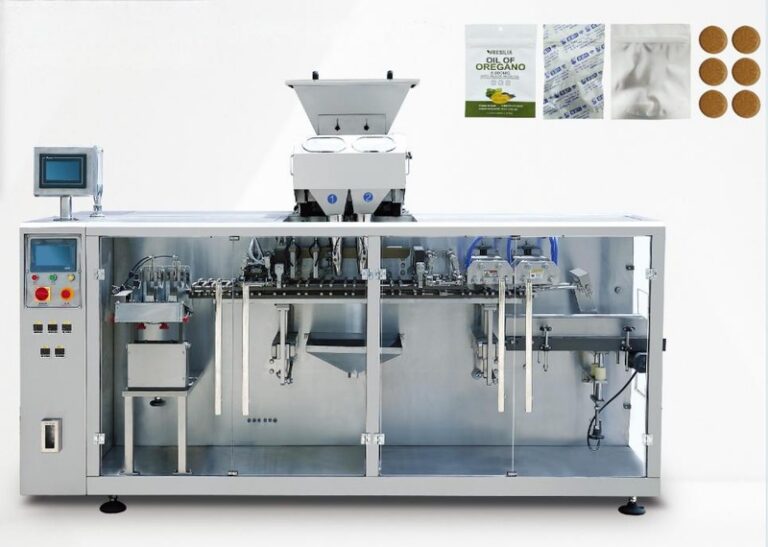
PP180 Horizontal Pouch Packing Machine
- Liquids, granules and solid doses in premade pouches
- Pouch width 55-200 mm
- Speed 50 bags/min
- Mid tier
The snack application page covers the full snack family — chips, crackers, biscuits, nuts and mixes — across all our machine families.
How to choose
- Product fragility — trial runs matter; two machines with the same spec sheet produce different breakage rates.
- Pillow or pouch strategy — decide by channel; the machines are different, and running both covers both channels.
- SKU count — snack lines change format often; changeover time is the hidden cost in high-SKU plants.
- Oils and salts — specify washdown-friendly product zones and jaw access.
- Shelf target — gas flush for long shelf life; plain seal for short-cycle supply.
Frequently asked questions
What is the difference between a snack packing machine and a food packing machine?
Nothing structural — snack machines are food machines configured for fragile, oily products with gas flush. Our food packaging overview covers the shared baseline: sanitary design, film handling and sealing.
Can one snack line run crackers and nuts?
Yes — both run on the same flow wrapper with different infeed guides and speed recipes. On the pouch side, nuts run weigh-based dosing and crackers run gentle feeding into the same PP machines.
How much does a snack packing machine cost?
Flow wrappers and pouch machines are separate investments at different levels; both price by format range and options like gas flush. Send your snack format and target output for a written quotation.
Is nitrogen flush available on snack packing machines?
Yes, on both platforms — flow wrappers for pillow multipacks and PP pouch machines for retail stand-up pouches. Fat-heavy snacks are the main beneficiaries; the flush both protects and pads.
What is the smallest snack line you build?
The entry tier of each platform: a JC250 flow wrapper for pillow packs or a compact PP model for pouches. Small snack producers usually start with one machine matched to their best-selling SKU.